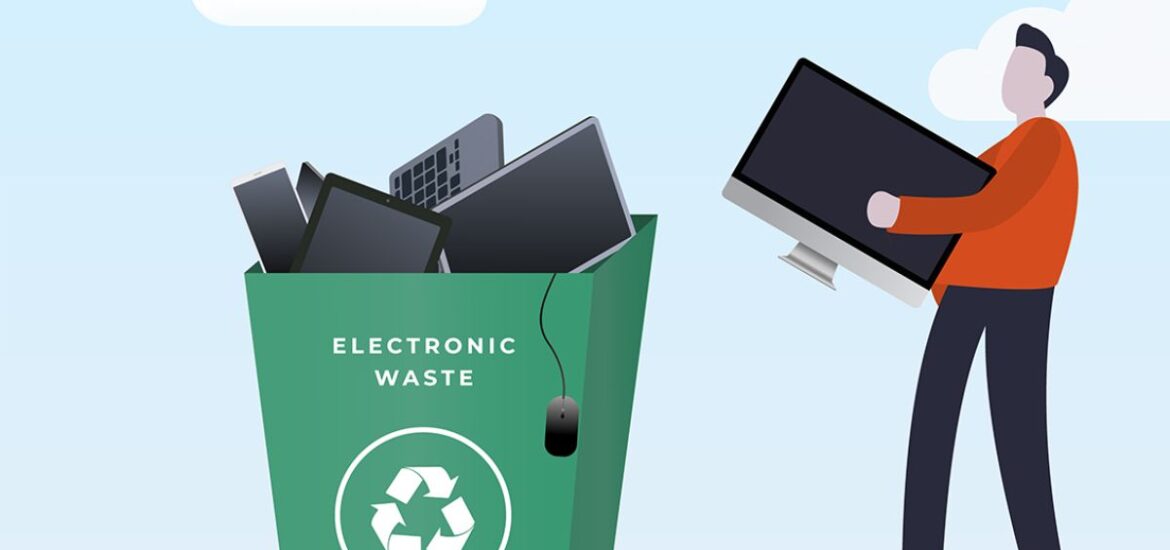
E-Waste Collection Drive

Partnering for a Greener Future: Recycle Emirates Hosts E-Waste Drive with Lulu Exchange & Y’s Men International

On May 3, 2025, Recycle Emirates successfully conducted an E-Waste Collection Drive in partnership with Lulu International Exchange and Y’s Men International Middle East. This joint initiative aimed to promote responsible electronic waste disposal and raise awareness around sustainable recycling practices in the UAE.

The drive was a testament to the growing commitment of local organizations to environmental responsibility. Both Lulu Exchange and Y’s Men International played an active role in organizing and facilitating the collection, helping ensure the event’s success. As a gesture of appreciation, Recycle Emirates presented official Certificates of Appreciation to both partners for their contribution to the campaign.

All electronic waste collected during the drive was processed according to the highest industry standards, including ISO 14001, ISO 27001, and R2 Responsible Recycling Framework. We maintained our strict No Landfill Policy, ensuring that all equipment was dismantled and recycled into reusable commodities in a safe and environmentally compliant manner.

At Recycle Emirates, we are committed to helping organizations dispose of their IT assets securely, ethically, and sustainably. Community-focused initiatives like this not only reduce environmental harm but also inspire more businesses to embrace green practices.

🌱Let’s continue working together to build a cleaner, more sustainable future.

If your company is interested in hosting an e-waste drive or learning more about our certified recycling solutions, get in touch with us today.

Recycle Emirates Partners with Dubai Scholars Private School for a Greener Future

Recycle Emirates Partners with Dubai Scholars Private School for a Greener Future

At Recycle Emirates, we believe that the path to a sustainable future begins with education and community engagement. In line with our mission to promote responsible recycling and environmental stewardship, we recently partnered with Dubai Scholars Private School for an impactful E-Waste Collection Drive in December 2024.

Encouraging Young Environmental Stewards

Held on 14th December 2024, this collaborative effort was more than just a collection campaign—it was a valuable educational opportunity. Students and staff came together to responsibly dispose of unused and outdated electronics, supporting our vision of a more sustainable world.

Environmentally Compliant Recycling

All items collected were processed using R2 (Responsible Recycling) standards and in compliance with ISO 14001 and ISO 27001 certifications. This means:

  • Devices were safely dismantled and recycled into core materials such as plastics and metals.
  • We maintained a strict “No Landfill” policy, ensuring zero waste from the campaign ended up in landfills.

Recognition and Appreciation

To recognize the school’s commitment to sustainability, Recycle Emirates awarded Dubai Scholars Private School with both a Certificate of Appreciation and a Certificate of Recycling. Their leadership and enthusiasm toward environmental responsibility are truly commendable.

Why It Matters

E-waste is one of the fastest-growing waste challenges around the world. By working with schools and youth, we aim to plant the seeds of environmental consciousness early, empowering the next generation to take ownership of their planet’s health.

Let’s Work Together

We extend our heartfelt thanks to the students and staff of Dubai Scholars Private School. If your school or organization is interested in hosting an E-Waste Collection Drive, Recycle Emirates is here to help every step of the way. Together, we can make a meaningful impact.

Benefits of Partnering with a Certified E-Waste Recycler

The Benefits of Partnering with a Certified E-Waste Recycler

In the contemporary digital era, both individuals and businesses continually upgrade their gadgets, which leads to an excessive amount of electronic waste, or “e-waste.” However, wrong disposal of e-waste can result in several issues, such as contamination of soil and significant fines. Suitable e-waste management, environmental protection, data security, and legal submission are all assured when performing with a licensed electronics recycler.

Let’s explore the primary advantages of collaborating with a qualified electronic waste management company in this post.


Learn about Certified E-Waste Recyclers


To manage electronic trash actually and safely, certified e-waste recyclers are essential. These recyclers are experts who have satisfied technological activity and earned certifications testifying to their responsibility to stringent policies and strategies. To confirm that e-waste is managed in an environmentally responsible way, these laws are essential.


Credential is essential as it assures that the recycling facility meets all standards. It includes the proper handling of dangerous materials contained in most devices, including lead, mercury, and cadmium. Electronics are broken down by certified recyclers in a certain way that minimizes harmful emissions. They confirm parts are recycled or appropriately disposed of, which minimizes the level of waste going into landfills.


Risk management is a further benefit of working with certified recyclers. They have been taught to stop harmful chemicals from leaking that might poison the water and soil. Additionally, they are aware of the rules about electronic trash and assist companies in adhering to them. A certification serves as a trust seal, demonstrating that recyclers are honest and considerate of the environment and public health.


Accountability for the Environment


The benefits to the environment and human health are among the biggest benefits of dealing with a licensed electronics recycler. There are primary health and environmental advantages to using approved e-waste recyclers. Because they keep harmful chemicals from leaking into the air and soil, their actions minimize pollution. When refreshing devices, they adhere to exacting protocols, confirming that explosives are controlled and managed securely.


Dependable recyclers recover pricey materials like glass, plastics, and metals by suitably recycling e-waste. Besides saving aids, this decreases the requirement for raw material extraction, which can be highly contaminated. Recycling and reusing materials cuts down on greenhouse gas emissions and saves energy.


All things considered, authorized e-waste management services in Dubai and elsewhere play a crucial role in maintaining a healthier world. By converting waste into useful resources and shielding communities from possible health risks, they foster stability.


Effectiveness and Cost Savings


Working with a licensed electronics recycler can help firms financially in addition to environmentally and security-wise. Certified recyclers make sure you comply with all applicable environmental regulations and help you avoid the expensive fines linked to inappropriate disposal of electronic trash.


Efficient processes are employed by trained recyclers to maximize the recovery of resources from obsolete units. This might lower the overall cost of recycling because more material obtained would be sold or reused. Recycling organizations minimize waste and deliver greater value for resources such as metals and plastics through established procedures.


The advantages of law go beyond conformity. Interacting with licensed recyclers shows a dedication to ecological responsibility, which helps to preserve a positive public image. Having your gadgets recycled properly by a qualified recycler can give you peace of mind as regulatory restrictions tighten.


Furthermore, accredited processes ensure that each step is documented and offer transparency and traceability. Customers are assured that their recyclables are handled ethically and legally as a consequence. Businesses can leverage this transparency to enhance their public image by appealing to environmentally responsible consumers who value sustainability.


Selecting the Proper Recycler


Making the right choice for your specific requirements requires considerable thought when picking a licensed e-waste recycler. Examine the recycler’s certificates first. Check to see if they currently hold certifications that attest to their adherence to strict guidelines for managing electronic waste, such as R2 or e-Stewards.


Examine the variety of services they provide. A competent recycler offers all-inclusive services that address everything from material recovery to data erasure. Knowing these services enables you to select a recycler who can successfully handle all of your disposal requirements.

Another important consideration is reputation. To determine their dependability and level of satisfaction among consumers, look for evaluations or comments from prior clients. Reliability and quality are guaranteed by a recycler with a solid reputation.


It helps to take location into account as well. In Dubai, using a local recycler lowers logistics expenses and boosts the local economy. It also offers convenient drop-off and consultation locations.


Lastly, learn about their green initiatives. In addition to ensuring a minimal ecological impact, a trustworthy recycler will be open and honest about how they manage dangerous materials. Your decision will comply with legal obligations and ethical standards due to this careful analysis.


Final Words


After learning how crucial it is to work with licensed e-waste recyclers for ethical disposal, make sure you take the required actions to ensure that your electronic trash is treated and disposed of appropriately. In addition to preserving sensitive data and according to rules, selecting certified e-waste recyclers also helps the environment. When it comes to disposing of electronic waste, it is imperative to give ethical and sustainable disposal methods top priority.


By working with the electronic recycling service Recycle Emirates, you can be confident that you have a reliable resource to help you navigate the challenges of electronic recycling. Data security and sustainable development are our top priorities at every stage, and we provide experienced and reliable alternatives for managing end-of-use devices. Make the transition to a sustainable future by entrusting the Recycle Emirates with your professional and accurate electronic recycling requirements.

E-Waste Recycling vs. Disposal

E-Waste Recycling vs. Disposal: What’s the Real Difference?

One of the waste streams with the quickest rate of growth in the world is electronic garbage or e-waste. As technology develops so quickly, outdated gadgets are often replaced with newer versions. But if they are no longer required, what happens to those antiquated devices? Recycling and disposal are two separate procedures that hold the key to the solution. Both approaches address undesired electronics, but their effects on society and the environment are very different. Making appropriate decisions requires an understanding of the distinction. Are you looking for E-waste recycling in Dubai? Recycle Emirates handles numerous gadgets each month for our clients’ recycling, refurbishing, and/or repurchasing.

Here in this post, we discuss the real difference between E-Waste Recycling vs. Disposal.


What Takes Place When You Dispose of E-Waste?


However, the term “e-waste disposal” typically refers to discarding electronic devices without attempting to recover them. Electronic waste is frequently dumped straight into landfills or incinerators. The dangerous components in these devices have the potential to pollute nearby ecosystems, making this strategy extremely dangerous for the environment.

Air pollution and health risks are increased when e-waste is burned because toxic gases are emitted into the atmosphere. Additionally, hazardous chemicals from electrical landfills may seep into groundwater, harming human and animal populations. Significant fabrics that may be recovered through recycling are also wasted with this strategy.


Knowing How to Recycle E-Waste


Disassembling electronic contraptions to recover valuable materials that can be used again in manufacturing is known as e-waste recycling. Materials like glass, metals, and polymers are separated, treated, and used again. By lowering the demand for raw materials, this approach contributes to the conservation of natural resources.

Recycling facilities conform to strict guidelines to ensure minimal environmental harm. Circuit boards, for instance, are treated to extract copper, gold, and other valuable metals, and plastic casings are melted and shredded for future use. Components that would otherwise wind up in landfills are given a second chance at life through the recycling of electronic trash.

The decrease of dangerous materials is one of the biggest advantages of recycling e-waste. Lead, mercury, and cadmium are frequently found in electronics, and if not handled correctly, they can be dangerous. Recycling stops harmful poisons from leaking into the ground and water.


Consequences for the Economy and Society


Recycling e-waste generates jobs at specialised facilities, which boosts the economy. Different components must be disassembled, sorted, and processed by skilled staff. A circular economy can also be promoted by selling recycled resources to producers.

Socially, communities are shielded from dangerous garbage by recycling responsibly. E-waste exports from many developing nations endanger residents by poorly processing discarded electronics. Selecting trustworthy recycling centres guarantees the safe and moral handling of electronic trash.


The Climate Impacts of Both Approaches


There are substantial environmental distinctions between disposal and recycling. Recycling helps save energy, cut down on trash, and lower greenhouse gas emissions. Metal extraction from used devices, for example, uses a lot less energy than mining new minerals.

On the other hand, disposing of e-waste hastens environmental harm. Electronics that have been discarded may release toxic compounds into the earth, endangering local plants and poisoning water supplies. Recycling is considerably more sustainable and responsible than inappropriate disposal because of the environmental costs.


The Value of Recycling Selections


The amount of electronic garbage will only grow as technology advances. Recycling instead of disposing of waste is a significant way that people and companies can contribute to environmental conservation. Recycling helps preserve important resources that may be used for future developments in addition to minimising environmental impact.

Look for accredited e-waste recycling providers at all times to make appropriate decisions. These firms make sure your old devices are handled securely and effectively by adhering to the correct rules.


Concluding Remarks


Beyond waste control, the distinction between recycling and disposing of e-waste is one of conserving resources and sustainability. Recycling minimises damage to ecosystems, preserves materials, and reduces pollution, whereas disposal frequently results in waste and contamination. The next generation can benefit from a cleaner, healthier world if you adopt recycling habits and make educated determinations. To know more about electronic waste disposal in Dubai, you must go through the Recycle Emirates. We place a high value on client satisfaction as a seasoned electronic waste management firm in Dubai, offering thorough asset management auditing and thorough documentation.

What Happens to Your Electronics After They’re Disposed

What Happens to Your Electronics After They’re Disposed? Understanding the E-Waste Lifecycle

The explosive growth of electronics in the world of today is making electronic waste a greater problem. What happens to your outdated laptop, smartphone, or TV when its usefulness is over? Have you ever wondered? Understanding the lifetime of e-waste is essential to relishing the ecological and social impacts of our disposed electronics. Let’s talk about what happens to your electronics after they’re disposed?


Gathering and Delivery


Correct disposal is the first step in the e-waste journey. Electronics may be picked up by specialized waste management services, placed at recycling facilities, or collected during e-waste drives. Regretfully, not all electronic waste finds its way to the proper locations. Numerous devices are still inappropriately thrown in the ordinary trash and wind up in landfills.


Electronics are gathered and sent to facilities that are prepared to manage the complex materials found in these gadgets via e-waste recycling in Dubai and e-waste programs. This important first step guarantees that your outdated electronics have a chance to be safely disassembled or repurposed.


Classifying and Organizing


Electronic garbage is sorted once it arrives at the recycling facility. Devices are divided into many types, such as IT equipment, big appliances, and tiny gadgets. Condition is another way that items are arranged. In order to prolong their life cycle, functional gadgets may be donated to charitable organizations or reconditioned for future sale.


Non-functional products are evaluated based on the structure of their materials. Recyclable products like glass, metal, and plastics must be kept apart from potentially dangerous parts like batteries, which need to be handled carefully.


Deconstruction and Recovery of Components


Devices are either disassembled manually or automatically after sorting. Expert personnel or equipment disassemble electronics into their component parts. This step is essential for the mining of features from rare earths like cobalt and special metals like copper, aluminum, silver, and gold.


Circuit boards for computers and cell phones, for instance, are composed of beneficial metals, but copper is widely used in cables and wires. By decreasing the requirement for raw fabrics mining, these minerals can be extracted, saving energy and natural resources.


Regulating Toxic Substances


Unsafe materials like lead, mercury, cadmium, and brominated flame retardants are frequently found in electronics. There are profound health and environmental hazards associated with the inappropriate disposal of these materials. In order to securely balance and dispose of these dangerous materials, e-waste facilities employ certain strategies.


For example, batteries undergo rigorous processing to stop harmful compounds from leaking into the environment. This ensures that the dangerous elements in your outdated electronics won’t contaminate the air, water, or soil.


Recycling and Reusing Materials


After the recovery of valuable materials and the removal of hazardous compounds, the leftover materials, including metals and polymers, are recycled. Following that, manufacturers purchase these recycled materials to use as raw materials for new goods. This procedure aids in closing the loop and promotes a circular economy in which resources are not wasted but rather repurposed.


Remodeling and Reselling


Certain devices gathered from the lifecycle of e-waste are still usable or readily repairable. These gadgets are examined, reconditioned, and frequently donated to underserved populations or resold for less. Programs for electronic renovation not only increase their lifespan but also increase underprivileged communities’ access to technology.


Exporting


Regretfully, not all electronic garbage is properly recycled. A sizable amount of the world’s e-waste is shipped to underdeveloped nations, frequently masquerading as “donated” or “reusable.” These nations lack the laws and infrastructure necessary to properly address e-waste. The outcome? Unofficial recycling programs can seriously pollute the environment and expose employees to hazardous chemicals.


The export of e-waste is still a significant issue in the worldwide lifespan of electronics, despite efforts to regulate these practices and establish stronger enforcement.


E-Waste’s Effects on Sustainability and Society


Reusing and recycling e-waste can decrease the negative environmental effects that discarded devices effect. Recovering helpful materials lowers the requirement for mining and resource presentation, which lowers carbon dioxide emissions and conserves energy.


However, inappropriate handling of e-waste can have disastrous results. Electronics that are not disposed of appropriately can release toxic compounds into the soil and water, threatening both human health and ecosystems.


Concluding Remarks


The comprehensive e-waste lifecycle highlights the effectiveness of recycling, disposing of, and consuming responsibly. Knowing what occurs to your gadgets once they are thrown away will help you make better decisions to reduce waste and help create a more tolerable future. We should all do our share to control the gadgets we use today from threatening the ecosystem in the future.